
5 sensitive issues to bring up at any doctor appointment
The more your doctor knows, the better they can support your overall well-being. From emotional changes to everyday habits, no topic is off-limits.
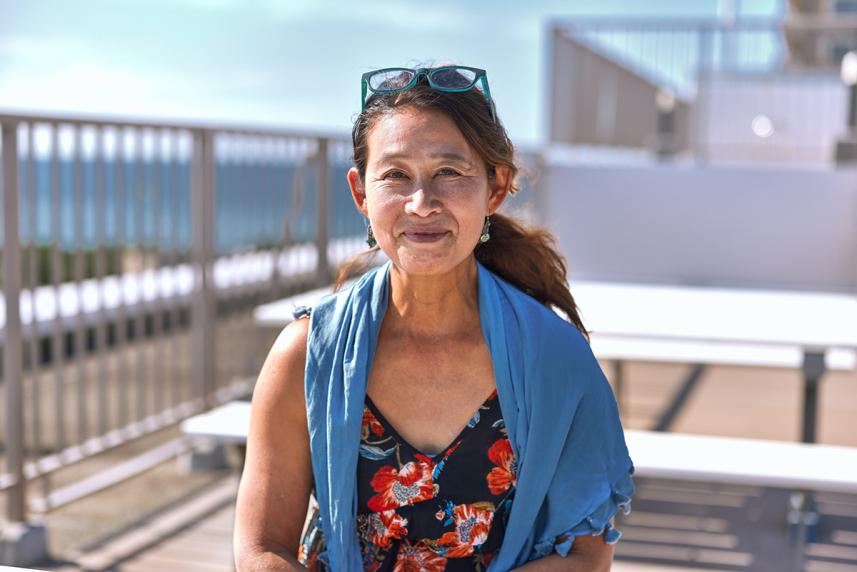
Being honest with your doctor about certain symptoms or health habits can be hard. You might feel embarrassed or shy. But your primary care provider has heard it all before. They’re not going to judge you. They want to hear details about your life and health. It helps them get a bigger picture of your overall well-being.
Here are five things to talk about on your next visit, no matter how shy you feel.
1. Bladder issues
Bladder control issues are common in older adults. But they can be managed so you can get your life – and nights – back. So, speak up. Your doctor can recommend medications or lifestyle changes.
How to bring it up: “I’ve had trouble controlling my bladder lately.”
2. Lack of exercise
Be open about how much you move around during the day. Older adults need at least 150 minutes a week of moderate-intensity aerobic activity, like brisk walks. And muscle-strengthening moves twice-a-week.
If you’re not meeting these guidelines, your doctor can recommend ways to help you get started.
How to bring it up: “I don’t get much exercise or go outside a lot.”
3. Feeling sad
Depression is common among older adults, especially after the loss of a loved one. Some signs include lack of energy, loss of interest in life, and trouble sleeping. Let your doctor know if you’re not feeling like yourself. Your doctor can recommend therapy or medication to treat it.
How to bring it up: “I’m not as interested in doing the things I used to enjoy.”
4. Pain
Nearly two-thirds of older adults say they suffer from pain. But it’s not a normal part of aging, so tell your doctor about it. Chronic pain that lasts more than three months can keep you from doing things you enjoy and lead to depression. Your doctor can help figure out the cause of your pain, and what to do.
How to bring it up: “I am in a lot of pain and nothing I take seems to help.”
5. Fear of falling
Falls can be serious and make you less independent. Even if you’ve never taken a tumble, you can still be afraid. And that can make you less mobile and independent. Tell your doctor about your worries. They can suggest balance exercises and ways to fall-proof your home.
How to bring it up: “I’ve never fallen, but I’m worried I might. What can I do to get over this fear?”
See our sources:
Tips for talking to your doctor: National Institute on Aging and Johns Hopkins Medicine
Physical activity for older adults: Centers for Disease Control and Prevention
The link between chronic pain and mental health in older adults: National Council on Aging
Causes and prevention of falls in older adults: National Institute on Aging